Federal Bureau of Investigation (FBI)

Graphic by Alondra Pulido
Attorneys working for the Federal Bureau of Investigation (FBI) may serve one of several different functions, including working as a general attorney, a legal administrative specialist, or as a legal instruments examiner. As such, depending on the position, attorneys work may lean more towards litigation or transactional work, though many of the jobs involve an advisory role over proposed operations and investigations. FBI attorneys work closely with the Department of Justice, the Central Intelligence Agency (CIA), the National Security Agency (NSA), and the White House. FBI attorneys may take on cases involving federal laws, and specifically in cases involving terrorism, civil rights, counterintelligence, public corruption, cybercrimes, weapons of mass destruction (WMDs), organized crime, white-collar crime, and violent crime.
FBI attorneys have the opportunity to become a Special Agent, though, there are a number of eligibility requirements, including the completion of a physical fitness test (PFT). This test involves doing sit-ups for 1 minute, a timed 1.5-mile run, a timed 300-meter sprint, and doing as many pushups as you can without stopping. Applicants are granted three opportunities to pass the PFT. To help train applicants pass the PFT, the FBI as created the FBI PFT app, which is available from the App Store and Google Play.
There are a variety of employment qualifications to become an FBI attorney, just as there is for every position within the agency. One such requirement is that candidates may not have a history of engaging in acts designed to overthrow the United States government, for obvious reasons. FBI attorneys must also pass a urinalysis test, and cannot have defaulted on a federal student loan. Additionally, individuals required to register with the Selective Service System (the draft) must have done so.

Photo by Andy Feliciotti on Unsplash

Books
-
-
 Intelligence Community Legal Reference Book
by
The Intelligence Community draws much of its authority and guidance from the body of law contained in this collection.
Publication Date: 2012
Intelligence Community Legal Reference Book
by
The Intelligence Community draws much of its authority and guidance from the body of law contained in this collection.
Publication Date: 2012 -
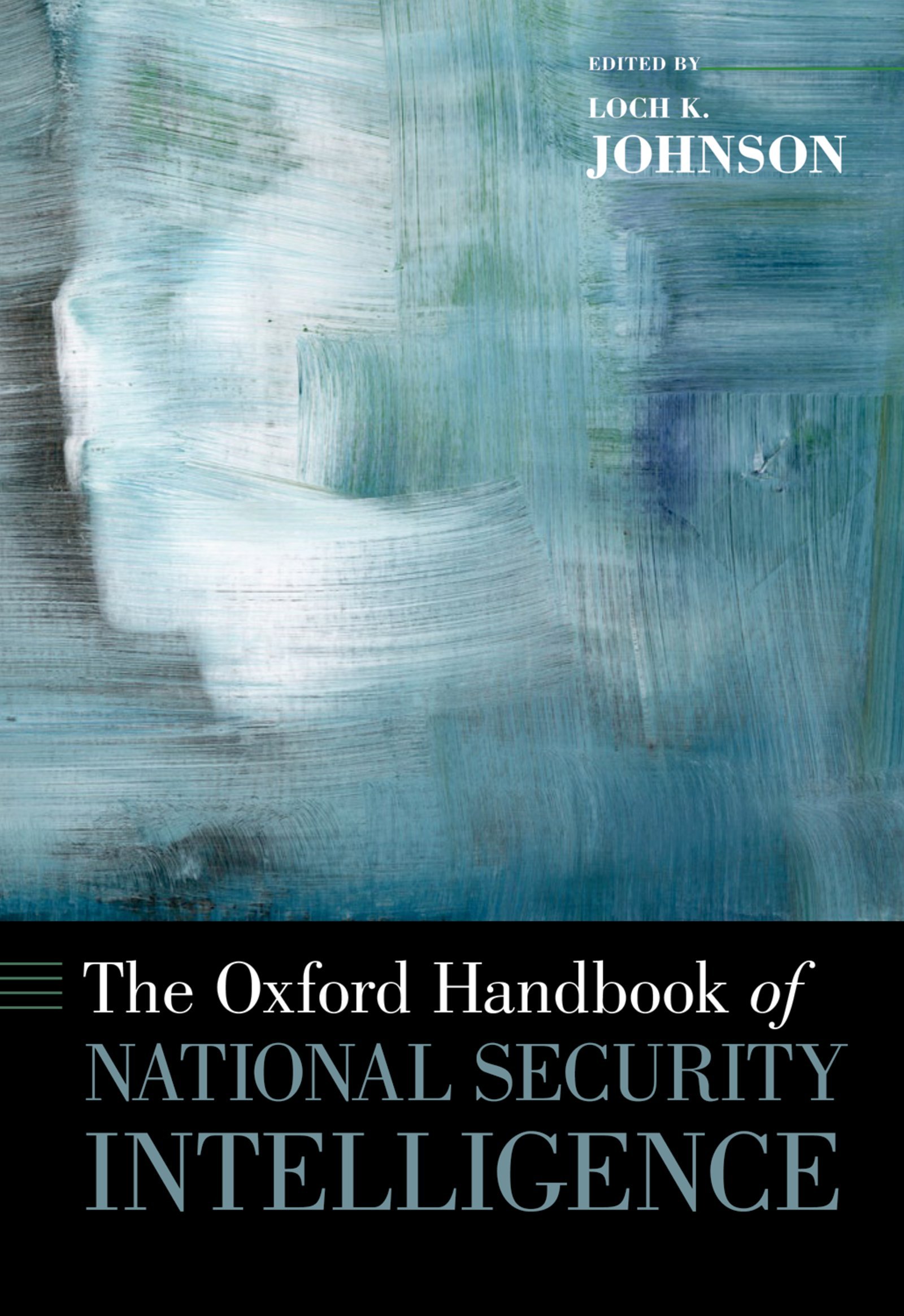 The Oxford Handbook of National Security Intelligence
by
Publication Date: 2010Available online from Oxford Handbooks Online
The Oxford Handbook of National Security Intelligence
by
Publication Date: 2010Available online from Oxford Handbooks Online -
 The Reform of FBI Intelligence Operations
by
Publication Date: 2015-03-08Available online from Project MUSE
The Reform of FBI Intelligence Operations
by
Publication Date: 2015-03-08Available online from Project MUSE -
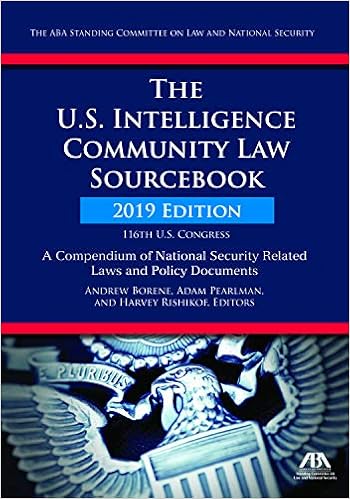 The U.S. Intelligence Community Law Sourcebook: A Compendium of National Security Related Laws and Policy Documents
by
Updated for 2013, The U.S Intelligence Community Law Sourcebook, is your complete guide to important national security law source material, including relevant federal statutes, intelligence authorization acts, executive orders, attorney general and the director of national intelligence guidelines, and proposed significant legislation affecting the U.S. intelligence community. Adding context, this 4th edition also includes the full text of President Obama's 2013 speech at the National Defense University related to national security and the rule of law. This comprehensive collection of the laws, rules and regulations governing the United States Intelligence Community, and the carefully chosen context material is an invaluable resource for lawyers, academics, journalists and corporate officers alike.
Publication Date: 2013
The U.S. Intelligence Community Law Sourcebook: A Compendium of National Security Related Laws and Policy Documents
by
Updated for 2013, The U.S Intelligence Community Law Sourcebook, is your complete guide to important national security law source material, including relevant federal statutes, intelligence authorization acts, executive orders, attorney general and the director of national intelligence guidelines, and proposed significant legislation affecting the U.S. intelligence community. Adding context, this 4th edition also includes the full text of President Obama's 2013 speech at the National Defense University related to national security and the rule of law. This comprehensive collection of the laws, rules and regulations governing the United States Intelligence Community, and the carefully chosen context material is an invaluable resource for lawyers, academics, journalists and corporate officers alike.
Publication Date: 2013

